


A key requirement of today’s industrial applications is a reliable sealing system to ensure the efficiency of the equipment and safety of the operations through leak prevention. Industrial Sealing Solutions Choosing the Right Material for Performance and Durability is a crucial factor for companies looking for long-term performance in harsh environments. The proper sealing material selection has a direct influence on productivity, maintenance costs, and equipment life. At Tech Sharp Rubber, we realize that every industrial application is unique and the selection of the appropriate material is one of the most critical steps for achieving reliable sealing performance. Industrial sealing solutions are not just about leakage prevention; they’re about maximizing reliability, safety, and efficiency throughout your industrial operations.
Why Material Selection Matters in Industrial Sealing
Industrial seals are exposed to various environmental and operational conditions, including extreme temperatures, pressure fluctuations, chemical exposure, moisture, and mechanical stress. Selecting an unsuitable material can result in premature wear, leakage, equipment downtime, and increased maintenance expenses.
The right sealing material provides:
- Enhanced durability and service life
- Resistance to chemicals and environmental factors
- Reliable performance under varying temperatures
- Improved operational efficiency
- Reduced maintenance and replacement costs
By understanding application-specific requirements, businesses can make informed decisions that improve overall system reliability.
Key Factors to Consider When Choosing Sealing Materials
1. Operating Temperature
Temperature is one of the most important factors affecting seal performance. Different materials perform differently under extreme heat or cold conditions.
- Silicone rubber offers excellent high-temperature resistance.
- EPDM performs well in outdoor and weather-exposed environments.
- Nitrile rubber is suitable for moderate temperature applications involving oils and fuels.
Choosing a material that can withstand the operating temperature range helps maintain sealing integrity over time.
2. Chemical Compatibility
Industrial environments often involve exposure to oils, solvents, acids, and other chemicals. Material compatibility is essential to prevent swelling, cracking, or degradation.
Proper chemical resistance ensures that seals maintain their shape, flexibility, and effectiveness throughout their service life.
3. Pressure Requirements
Applications involving high pressure demand materials with strong mechanical properties and resistance to deformation. A seal must maintain its structure while effectively preventing leakage under continuous pressure.
Evaluating pressure conditions before selecting a sealing material helps ensure long-term performance and operational stability.
4. Environmental Exposure
Outdoor and industrial environments can expose seals to UV radiation, ozone, moisture, dust, and fluctuating weather conditions. Materials with excellent environmental resistance provide superior durability and reliability in challenging operating environments.
Common Materials Used in Industrial Sealing
EPDM Rubber
EPDM is widely used due to its excellent resistance to weathering, ozone, moisture, and aging. It is commonly selected for outdoor and water-related applications where long-term durability is essential.
Silicone Rubber
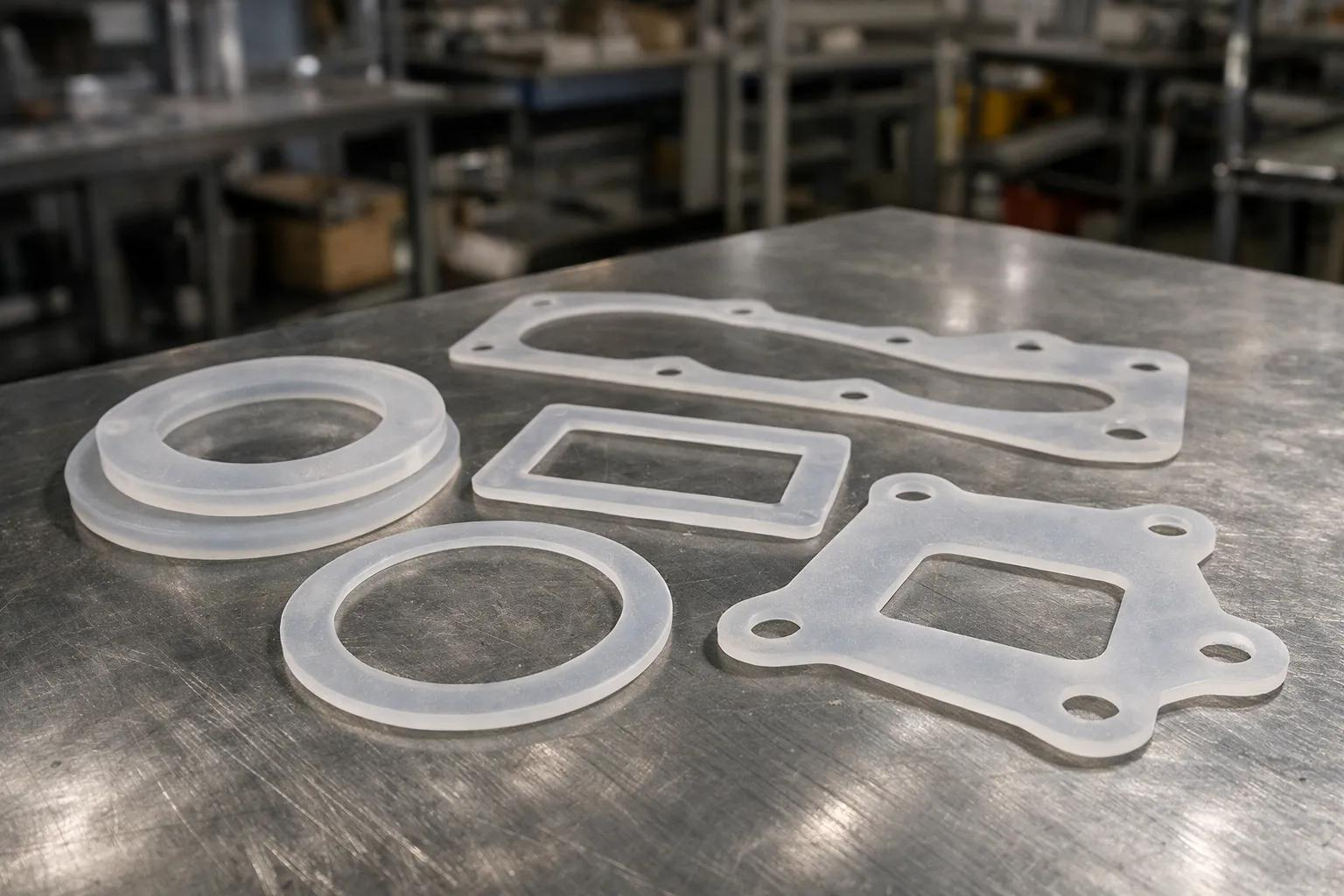
Silicone offers exceptional temperature resistance and flexibility. Its stability across a broad temperature range makes it suitable for demanding industrial applications that require consistent performance.
Nitrile Rubber (NBR)
Nitrile rubber is known for its resistance to oils, fuels, and hydraulic fluids. It is frequently used in automotive, manufacturing, and industrial machinery applications.
Neoprene Rubber
Neoprene provides balanced resistance to weather, oils, and moderate chemical exposure. It is often selected for versatile industrial sealing applications.
These materials contribute significantly to effective industrial sealing solutions by addressing specific operational challenges and performance requirements.
How Quality Sealing Improves Business Performance
Investing in high-quality sealing materials offers substantial long-term benefits:
- Reduced equipment downtime
- Lower maintenance expenses
- Increased operational efficiency
- Improved workplace safety
- Extended equipment lifespan
Organizations that prioritize proper sealing material selection often experience greater productivity and reduced operational risks.
Why Industry Professionals Trust Tech-Sharp Rubber
At Tech Sharp Rubber, we focus on delivering high-performance rubber products designed to meet diverse industrial requirements. Our expertise in material engineering allows us to provide reliable sealing components that perform consistently under demanding conditions.
We work closely with clients to understand their operational challenges and recommend solutions that maximize durability, efficiency, and cost-effectiveness. Our commitment to quality and precision manufacturing makes us a trusted partner for businesses seeking dependable industrial sealing solutions.
Frequently Asked Questions
What is the most important factor when selecting a sealing material?
The most important factor depends on the specific application and operating environment. Key considerations include temperature, pressure, chemical exposure, and environmental conditions, as these factors directly influence seal performance and service life. Businesses looking for a deeper understanding of material selection can also explore our guide on "How to Choose the Right Rubber Material for Industrial Applications in Qatar," which explains how different rubber compounds perform under varying industrial conditions and helps identify the most suitable material for long-term reliability and efficiency.
Which sealing material is best for outdoor applications?
EPDM rubber is commonly preferred for outdoor environments because of its excellent resistance to weathering, UV exposure, ozone, and moisture.
Why is chemical compatibility important in sealing applications?
Chemical incompatibility can cause seals to swell, crack, harden, or deteriorate, leading to leakage and reduced operational efficiency.
How often should industrial seals be replaced?
There is no fixed replacement schedule for industrial seals, as their lifespan depends on operating conditions, material quality, temperature, pressure, and exposure to chemicals or environmental factors. Regular inspections are essential to identify signs of wear, cracking, hardening, or leakage before they affect equipment performance. Businesses can also refer to our guide on Rubber Product Failure Analysis & Prevention | Tech Sharp Rubber to better understand common causes of rubber component failure and implement preventive measures that help extend seal life and improve operational reliability.
Can custom sealing solutions improve equipment performance?
Yes. Custom-engineered sealing products are designed to meet specific operating conditions, improving efficiency, reliability, and overall equipment lifespan.
Conclusion
The success of any sealing system starts with choosing the right material. A well-matched seal not only prevents leaks but also improves equipment reliability, reduces maintenance requirements, and helps businesses avoid costly downtime. Factors such as temperature resistance, chemical compatibility, pressure tolerance, and environmental exposure must all be carefully considered to achieve optimal results. By partnering with experienced manufacturers and choosing high-quality materials, businesses can enhance productivity while minimizing maintenance challenges. At Tech Sharp Rubber, we are committed to providing durable and dependable industrial sealing solutions that help industries achieve long-term performance, efficiency, and operational excellence.