


In modern manufacturing and heavy industries, reliability and performance depend heavily on material quality and engineering precision. Industrial rubber products play a critical role in ensuring machinery efficiency, safety, and long-term durability across various sectors such as automotive, oil & gas, construction, and marine engineering. The blog From Design to Durability: How High-Quality Rubber Products Improve Industrial Performance explores how advanced rubber solutions enhance productivity and operational stability.
The demand for industrial rubber products has significantly increased as industries shift toward high-performance materials that can withstand extreme pressure, temperature variations, and mechanical stress. These components are no longer just support materials—they are essential engineering solutions that directly impact system reliability.
The Engineering Value of Rubber in Industrial Systems
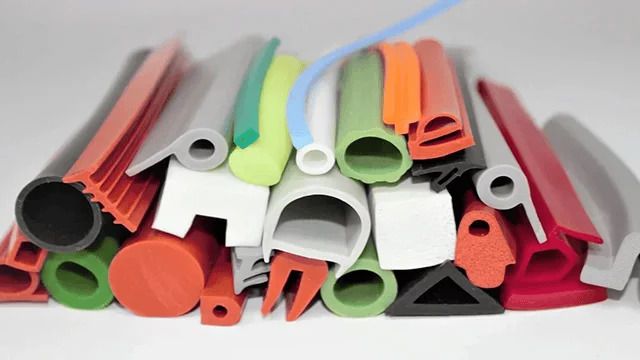
Rubber components are widely used in vibration control, sealing systems, insulation, and shock absorption. Their flexibility and resistance make them essential in industrial environments where precision and durability are required.
High-performance industrial rubber products are engineered to reduce mechanical wear and improve operational efficiency in complex machinery systems. This ensures smoother performance and reduced maintenance interruptions.
Design Precision and Material Innovation
Modern industrial applications require advanced design techniques and specialized rubber compounds. Engineers now focus on material composition, molecular structure, and performance behavior under stress.
Key advancements include the following:
- Heat-resistant elastomers
- Oil and chemical-resistant compounds
- High-tensile strength rubber blends
- Custom-molded industrial components
These innovations ensure that industrial rubber products meet the growing demands of high-load and high-temperature industrial environments.
Improving Operational Efficiency and Safety
One of the most important benefits of rubber-based engineering components is their ability to enhance safety and operational efficiency. They minimize vibration, reduce noise levels, and protect machinery from damage.
Industries using industrial rubber products experience the following:
- Lower equipment failure rates
- Reduced downtime
- Improved energy efficiency
- Enhanced workplace safety
These advantages directly contribute to cost savings and improved productivity.
Customization in Modern Manufacturing
Every industry has unique operational requirements, which is why customization plays a major role in rubber engineering. Custom-designed rubber components are developed based on specific load, pressure, and environmental conditions.
Benefits of customization include:
- Better equipment compatibility
- Longer service life
- Improved performance consistency
- Reduced replacement frequency
This level of precision ensures that industrial systems operate at peak efficiency with minimal disruption.
Durability and Long-Term Performance
Durability is a key factor in industrial material selection. Rubber components are designed to withstand continuous stress without losing elasticity or strength.
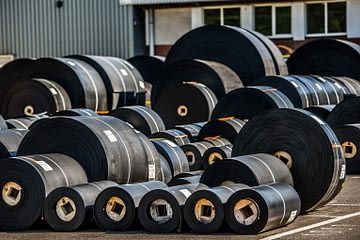
High-quality materials used in industrial rubber products ensure resistance against abrasion, corrosion, and environmental degradation. This makes them ideal for demanding industrial environments where reliability is critical.
Applications Across Industries
Rubber components are used across a wide range of industries due to their adaptability and performance benefits.
Common applications include:
- Automotive sealing systems
- Oil and gas pipeline protection
- Construction machinery components
- Marine equipment insulation
- Electrical and mechanical vibration control
The versatility of industrial rubber products makes them an essential part of modern industrial infrastructure.
FAQs
1. What makes a rubber product high quality?
High-quality rubber products are manufactured using premium raw materials, precision engineering, and strict quality control processes. They are designed to provide excellent durability, flexibility, and resistance to heat, chemicals, abrasion, and environmental conditions.
2. Why is product design important in rubber manufacturing?
Product design is a crucial part of rubber manufacturing because it ensures every component meets the required performance, durability, and application standards. A well-designed rubber product provides an accurate fit, withstands demanding operating conditions, improves equipment efficiency, and helps reduce maintenance and replacement costs. Understanding the different component designs and their specific uses is equally important. To explore this further, read our blog Industrial Rubber Components in Qatar | Types and Applications, which explains the various types of industrial rubber components and where they are used.
3. How are high-quality rubber products manufactured?
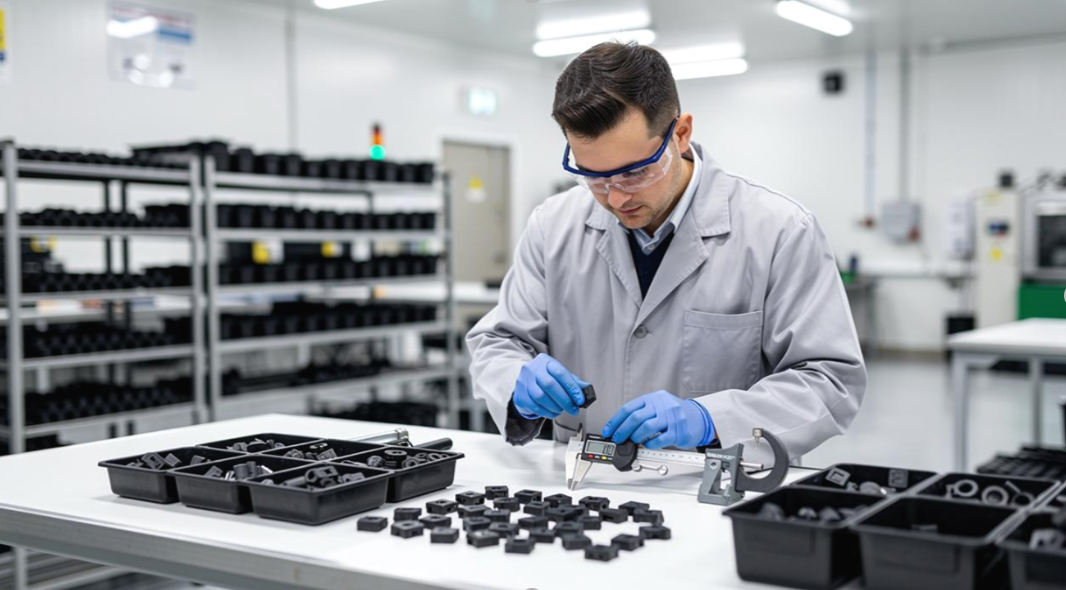
The manufacturing process typically includes product design, material selection, mold development, rubber molding, curing, finishing, and quality testing. Each stage is carefully controlled to ensure consistent performance and long-lasting durability.
4. What materials are commonly used in industrial rubber products?
Industrial rubber products are commonly manufactured using materials such as natural rubber (NR), EPDM, nitrile (NBR), silicone, neoprene (CR), and Viton (FKM). Each material offers unique properties, including resistance to heat, oil, chemicals, abrasion, and extreme weather, making it suitable for different industrial applications.
Choosing the right material depends on the operating environment and performance requirements. To learn more about selecting the best rubber compound for your specific application, read our blog: How to Choose the Right Rubber Material for Industrial Applications in Qatar.
5. How do manufacturers ensure the durability of rubber products?
Manufacturers use high-quality compounds, advanced molding techniques, and rigorous testing methods to evaluate strength, flexibility, compression resistance, and environmental performance. These processes help ensure products remain reliable under demanding operating conditions.