

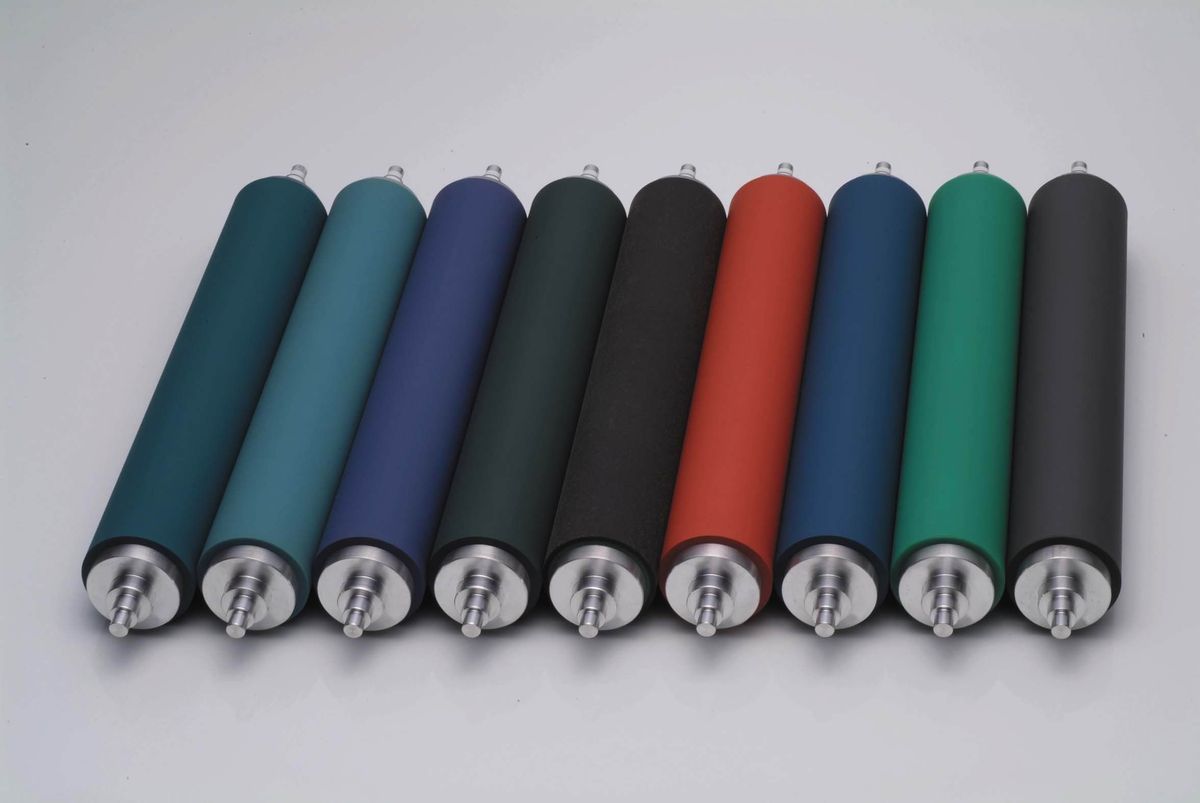
In demanding industrial environments, industrial rubber rollers play an important role in moving, guiding, supporting, pressing, coating, and processing materials efficiently. From conveyor systems and manufacturing lines to printing, packaging, steel, textile, and material-handling operations, the right roller can directly influence equipment performance and production quality. Choosing a roller with the correct rubber compound, hardness, dimensions, surface finish, and construction is therefore essential. Working with an experienced industrial rubber roller manufacturer in Qatar can help businesses select or develop rollers suited to their operating conditions, load requirements, temperature range, and application-specific challenges.
What Are Industrial Rubber Rollers?
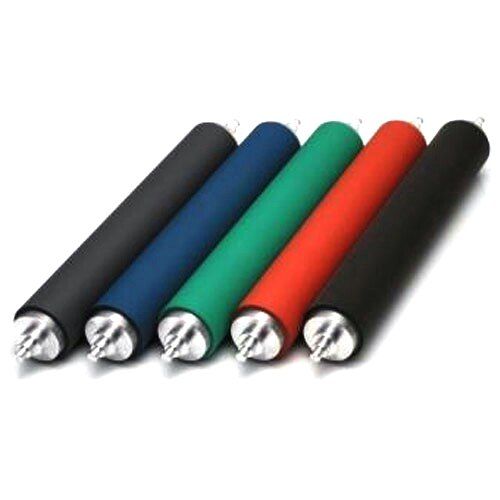
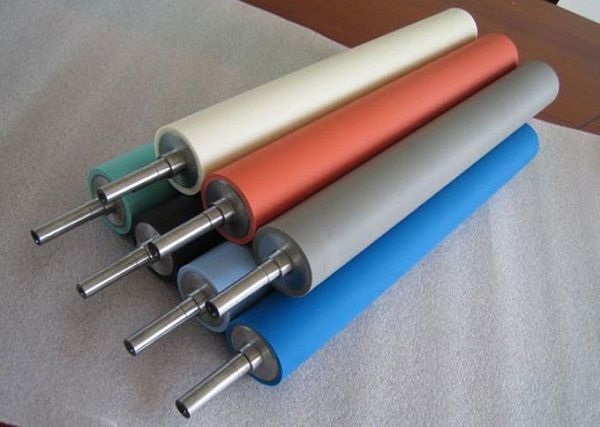
Industrial rubber rollers are cylindrical components manufactured with a rubber covering bonded to a metal or engineered core. The rubber surface provides controlled grip, cushioning, traction, protection, or material contact, depending on the application.
Unlike standard rollers, industrial versions can be engineered for specific operating environments. Factors such as rubber formulation, hardness, diameter, face width, surface profile, and bonding method can be adjusted to meet different production requirements.
The rubber compound is particularly important because different industries expose rollers to different stresses. A roller may need to withstand abrasion, chemicals, heat, pressure, moisture, friction, or continuous mechanical loading. Selecting the appropriate material helps improve service life and maintain consistent performance.
Where Are Rubber Rollers Used?
Rubber-covered rollers are used across a wide range of industries because their properties can be adapted to different production requirements.
Manufacturing and Material Handling
In manufacturing plants, rollers help transport, guide, align, or process materials through production lines. Their resilient surfaces can provide traction while reducing the risk of damaging sensitive products.
Printing and Packaging
Printing and packaging machinery often requires controlled pressure and accurate material movement. Specially engineered rollers can support smooth feeding, coating, laminating, and handling processes while maintaining consistent contact with the material.
Textile Industry
Textile machinery relies on controlled material movement and tension. Properly designed rubber surfaces can provide the required grip without causing unnecessary damage to fabrics or other delicate materials.
Steel and Metal Processing
Heavy-duty applications can expose rollers to significant loads, abrasion, heat, and demanding operating conditions. Durable rubber compounds and correctly engineered roller designs can help equipment operate reliably in these environments.
Conveyor and Material-Handling Systems
Rollers used in conveyor-related applications can assist with material movement while providing additional traction and cushioning. In certain systems, rubber-covered surfaces can also help reduce slippage and improve contact between components.
Key Benefits of Rubber-Covered Rollers
Selecting the right roller can provide several operational advantages beyond basic material movement.
Improved Traction
A properly selected rubber surface can create effective contact between the roller and material. This can help improve controlled movement and reduce unnecessary slipping during operation.
Protection of Materials
Rubber provides a resilient contact surface that can be more suitable for sensitive materials than hard metal-to-material contact. This is especially valuable where scratches, marks, dents, or surface damage need to be minimized.
Reduced Vibration and Impact
The flexible characteristics of rubber allow rollers to absorb a degree of vibration and impact. This can contribute to smoother operation and help reduce mechanical stress in suitable applications.
Resistance to Harsh Conditions
Depending on the selected compound, rubber coverings can be formulated to withstand specific environmental challenges such as abrasion, oils, chemicals, moisture, or elevated temperatures.
Better Process Consistency
A roller with the correct dimensions, hardness, and surface finish can help maintain more consistent pressure, traction, and material handling throughout production.
Longer Equipment Service Life
When rollers are correctly specified and maintained, they can help reduce premature wear on connected components. This may contribute to fewer interruptions and more predictable maintenance requirements.
How to Choose the Right Rubber Roller
The correct roller should be selected based on the complete operating environment rather than appearance or price alone.
Consider the Operating Temperature
Temperature can affect rubber hardness, flexibility, and durability. If a roller operates near a heat source or in a high-temperature process, the compound should be selected accordingly.
Identify Chemical Exposure
Oil, solvents, cleaning agents, and other chemicals can affect certain rubber materials. Understanding what substances the roller will contact is important when selecting the appropriate compound.
Evaluate Load and Pressure
The roller must be capable of handling the expected load and contact pressure without excessive deformation or premature wear. Heavy-duty applications may require a specially engineered construction.
Select the Correct Rubber Hardness
Rubber hardness influences grip, flexibility, wear characteristics, and material contact. A softer surface may be appropriate for some applications, while harder compounds can be preferable where greater resistance to wear or deformation is required.
Check Dimensions and Surface Finish
Diameter, face width, concentricity, runout, and surface finish can all affect performance. Depending on the process, the roller may require a smooth, grooved, patterned, or specially finished surface.
Consider the core material.
The core must provide sufficient structural strength for the intended application. Steel and other suitable materials can be selected according to load, speed, environment, and equipment design.
Why Custom Manufacturing Can Be Important
Not every production line can use an off-the-shelf roller. Custom manufacturing allows the roller to be designed around the machinery and application rather than forcing the equipment to work around a standard component.
A professional manufacturer can consider factors such as roller dimensions, core construction, rubber compound, hardness, bonding method, surface finish, operating speed, temperature, and load. This approach can be particularly useful when replacing an obsolete component or improving an existing production system.
For businesses in Qatar, working with an experienced industrial rubber roller manufacturer in Qatar can also simplify the process of discussing technical specifications, application conditions, inspection requirements, and maintenance needs.
Rubber Roller Maintenance Best Practices
Regular maintenance is essential for maintaining roller performance and identifying problems before they affect production.
Inspect the Rubber Surface
Look for cracks, cuts, glazing, uneven wear, swelling, separation, or other visible changes. Small defects can become more serious if the roller continues operating under demanding conditions.
Check for Uneven Wear
Uneven wear can indicate alignment problems, excessive pressure, incorrect installation, or an issue with associated equipment. Identifying the cause is more important than simply replacing the worn surface.
Keep the roller clean.
Accumulated dust, oil, chemicals, adhesive residue, or production material can affect surface performance. Cleaning should be carried out using methods and products compatible with the rubber compound.
Monitor Alignment and Balance
Incorrect alignment or imbalance can cause vibration, uneven loading, and accelerated wear. Periodic checks can help identify mechanical issues before they lead to larger problems.
Follow Appropriate Storage Practices
Spare rollers should be stored in suitable conditions away from excessive heat, direct sunlight, ozone sources, and damaging chemicals. Proper storage helps preserve the rubber before installation.
When Should a Rubber Roller Be Replaced?
Replacement should not be based solely on age. Operating conditions and actual roller condition are more useful indicators.
A roller may require replacement when the rubber surface has significant cracking, excessive wear, permanent deformation, loss of required grip, chemical deterioration, or bonding failure. Dimensional changes that affect the production process can also indicate that refurbishment or replacement is necessary.
In some cases, resurfacing or re-rubberizing the existing core may be a practical alternative to complete replacement. The most suitable option depends on the condition of the core, the extent of damage, and the requirements of the application.
Common Mistakes to Avoid
Choosing a roller based only on its dimensions or initial cost can result in poor performance and premature replacement. The rubber compound, hardness, operating environment, load, speed, and surface requirements all need to be considered together.
Another common mistake is ignoring the reason behind premature wear. Replacing a roller without investigating alignment, pressure, contamination, or equipment conditions may allow the same problem to occur again.
Proper technical assessment before purchasing or replacing a roller can therefore save time, reduce unnecessary downtime, and support more reliable production.
Frequently Asked Questions
How long does an industrial rubber roller typically last?
There is no universal service-life period. Durability depends on the rubber compound, operating temperature, load, speed, chemicals, surface contact, maintenance, and working hours. Regular inspection provides a more reliable indication of when replacement or refurbishment is required.
Can an existing metal roller be re-rubberized?
In many cases, an existing core can be stripped, inspected, prepared, and fitted with a new rubber covering. However, the core must be structurally suitable and within the required dimensional tolerances. A technical assessment should be completed before refurbishment.
What causes rubber rollers to wear unevenly?
Uneven wear can result from incorrect alignment, uneven pressure, improper installation, contamination, excessive loading, incorrect rubber hardness, or problems with connected machinery. Identifying the underlying cause is important before installing a replacement.
Are rubber rollers suitable for high-temperature applications?
Certain rubber compounds are designed for elevated-temperature environments, but not every rubber material is suitable for high heat. The actual operating temperature, exposure duration, surrounding environment, and application should be evaluated before selecting the compound.
Can rubber rollers be used with chemicals or oils?
Yes, rubber rollers can be used in environments exposed to chemicals or oils, but the rubber compound must be selected according to the specific substance and operating conditions. Different rubber materials have different levels of resistance to oils, solvents, fuels, and chemicals. Factors such as chemical concentration, temperature, exposure time, and operating pressure should be evaluated before selecting the roller. For applications in the oil and gas sector, choosing the appropriate rubber material is particularly important for maintaining durability and reliable performance. For more information on rubber solutions used in this sector, you can internally link to “Rubber Products in Oil & Gas Industry in Qatar | Industrial Applications Guide.”
What information should I provide when ordering a replacement roller?
Useful information includes the roller dimensions, core material, rubber hardness, surface finish, operating temperature, speed, load, application, chemical exposure, and machinery details. A drawing or existing roller specification can also help with accurate manufacturing.
Is resurfacing better than buying a new roller?
It depends on the condition of the existing core and the required performance. If the core remains structurally sound and within acceptable tolerances, resurfacing can be a practical option. If the core is damaged, distorted, or unsuitable for the new application, a new roller may be more appropriate.
Conclusion
Reliable roller performance begins with selecting the right materials, dimensions, surface characteristics, and construction for the actual working environment. From manufacturing and packaging to textiles, conveyors, and heavy industrial applications, properly engineered rubber-covered components can improve traction, protect materials, manage vibration, and support consistent production.
Regular inspection and timely maintenance are equally important. Monitoring wear, checking alignment, maintaining clean surfaces, and addressing the causes of premature deterioration can help businesses avoid unnecessary downtime and replacement costs. When a roller needs to be manufactured, refurbished, or replaced, professional technical guidance can make the selection process more precise and application-focused. For businesses seeking dependable performance and long-term value, industrial rubber rollers remain an important component in many modern industrial systems.