Industrial facilities in Qatar operate in some of the world's most demanding environments, where high temperatures, humidity, abrasive materials, and aggressive chemicals can significantly reduce the lifespan of critical equipment. How Rubber Lining Protects Industrial Equipment in Qatar from Corrosion and Chemical Damage is an important topic for industries seeking long-term equipment reliability, lower maintenance costs, and improved operational efficiency. High-quality rubber lining creates a durable protective barrier that helps prevent corrosion, chemical attack, and premature wear, making it an essential solution for sectors such as oil and gas, water treatment, mining, marine, chemical processing, and manufacturing across Qatar.
The Growing Threat of Corrosion in Qatar's Industrial Sector
Industrial equipment in Qatar is continuously exposed to harsh operating conditions. Salt-laden air, chemical exposure, moisture, and abrasive materials accelerate corrosion and structural deterioration. Without proper protection, these factors can result in:
- Frequent equipment failures
- Increased maintenance costs
- Unexpected production downtime
- Reduced operational efficiency
- Expensive equipment replacement
Protecting valuable industrial assets is not only a maintenance priority but also a strategic investment.
Understanding Rubber Lining and Its Purpose
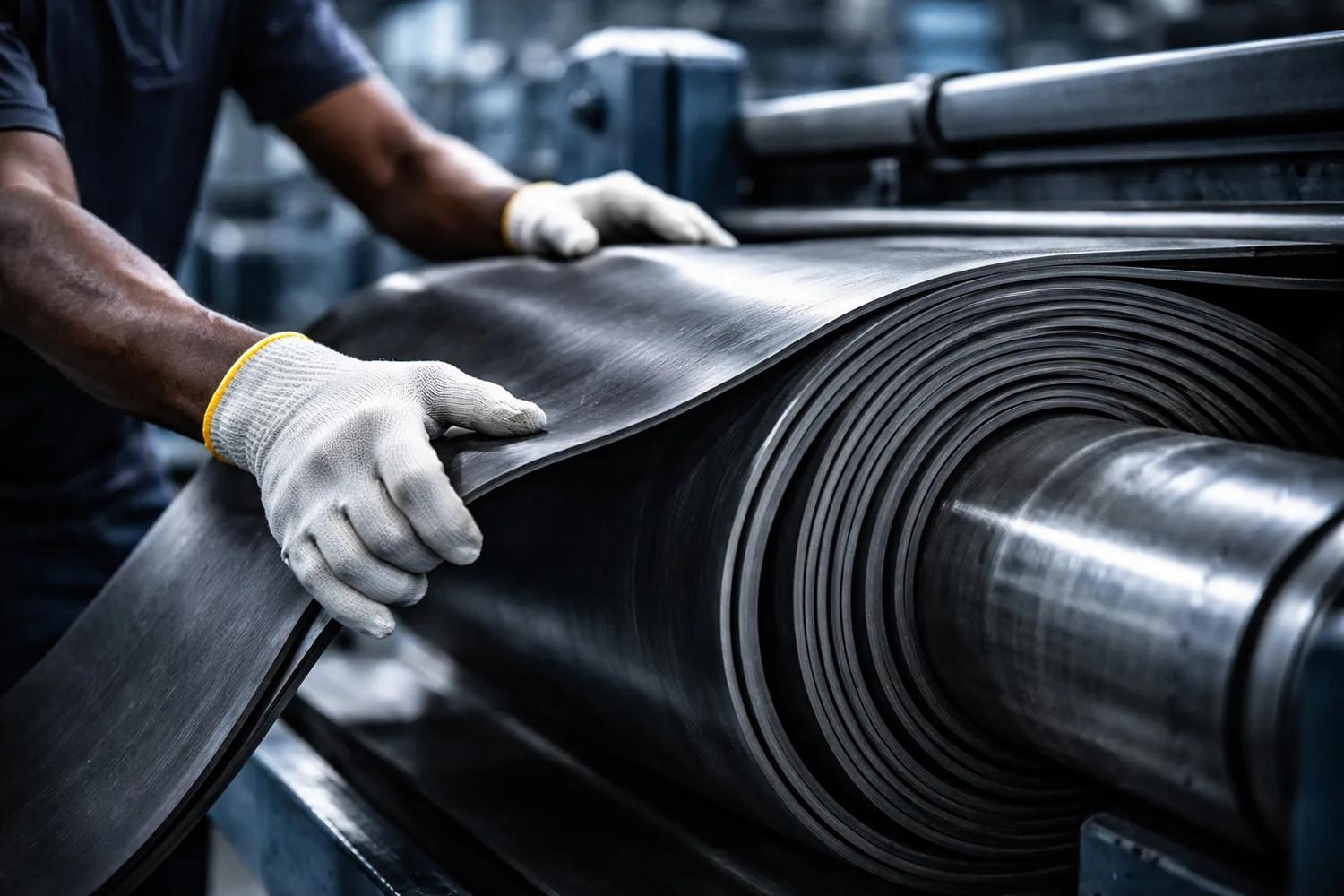
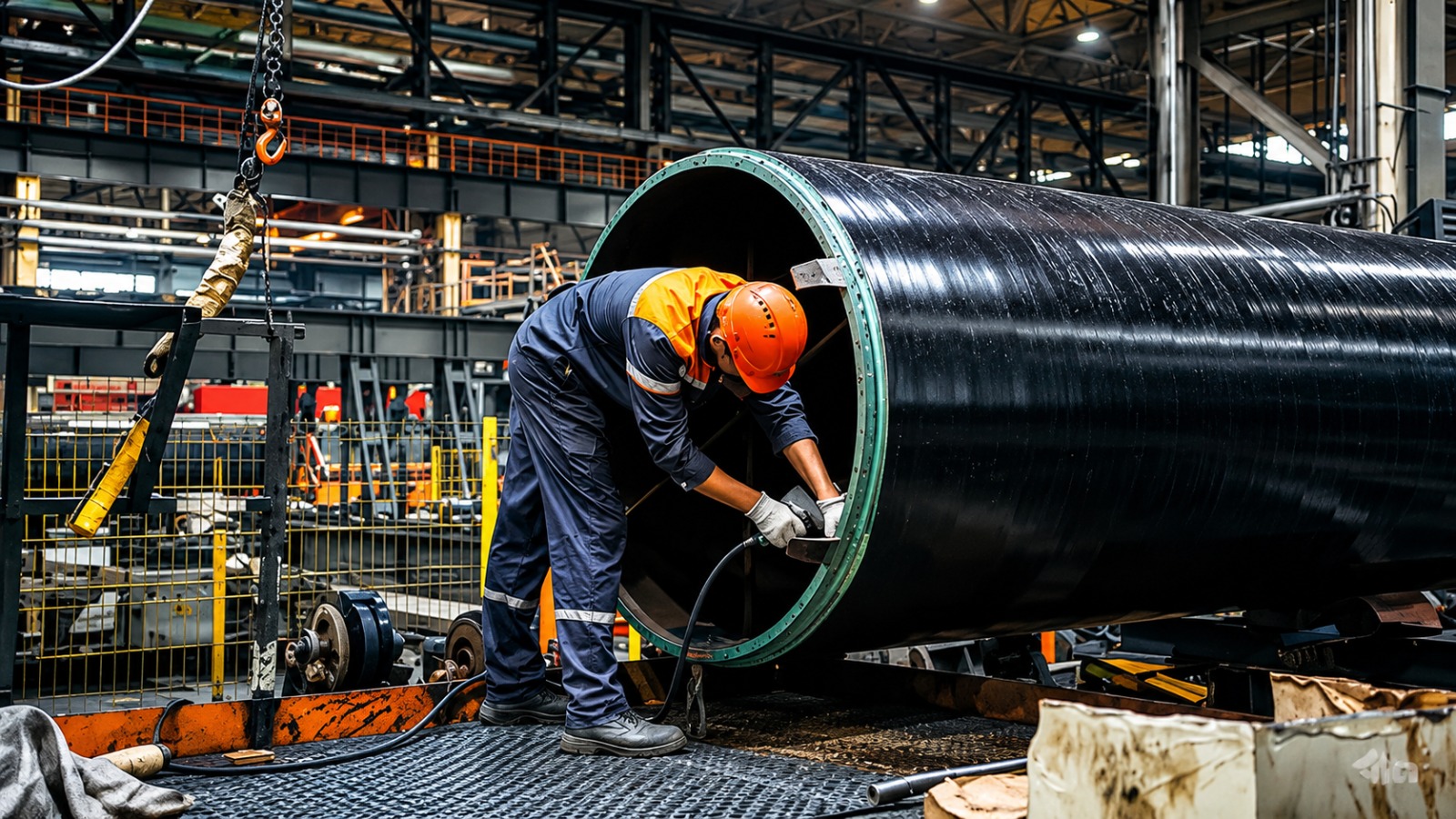
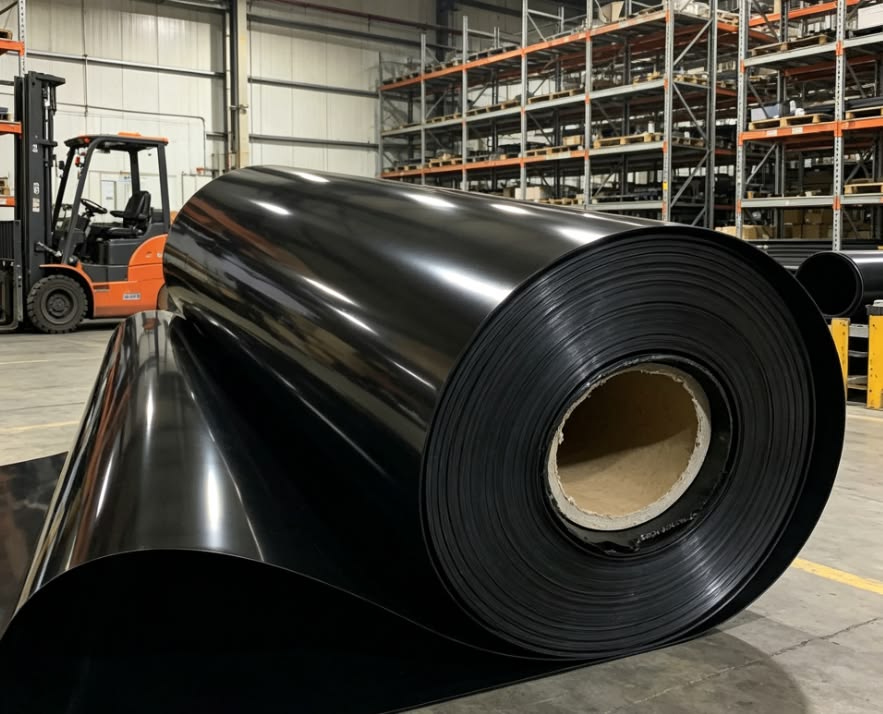
Rubber lining is the process of applying specially engineered rubber sheets or compounds to the interior or exterior surfaces of industrial equipment. This protective layer acts as a shield between the equipment and corrosive chemicals, moisture, abrasion, and impact.
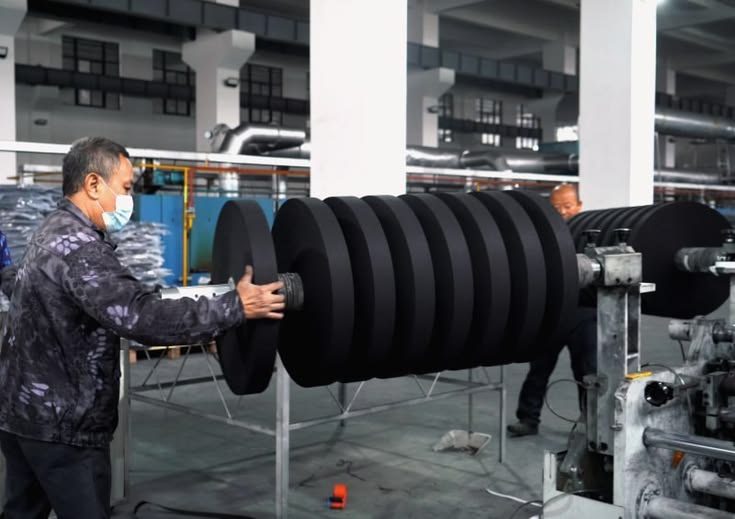
Depending on the application, different grades of natural or synthetic rubber are selected to provide the required resistance against chemicals, temperature, and mechanical stress.
How Rubber Lining Protects Industrial Equipment
1. Superior Corrosion Protection
One of the primary advantages of rubber lining is its ability to isolate metal surfaces from corrosive substances. Acids, alkalis, saltwater, and industrial chemicals cannot directly contact the underlying metal, significantly reducing corrosion.
2. Excellent Chemical Resistance
Many industrial processes involve aggressive chemicals that gradually damage steel equipment. Properly selected rubber lining materials resist chemical attack and maintain their protective performance even in demanding environments.
3. Increased Equipment Lifespan
Industrial assets represent significant investments. By minimizing corrosion and wear, rubber lining extends the service life of tanks, pipes, pumps, chutes, vessels, and processing equipment, reducing the need for costly replacements.
4. Reduced Maintenance Costs
Equipment protected with rubber lining typically requires fewer repairs and experiences less downtime. Lower maintenance frequency translates into substantial long-term cost savings for industrial facilities.
5. Protection Against Abrasion
Many industries handle abrasive materials such as minerals, sand, aggregates, and industrial powders. Rubber lining absorbs impact while resisting continuous abrasion, helping maintain equipment integrity under heavy-duty conditions.
6. Improved Operational Reliability
Unexpected equipment failures interrupt production schedules and increase operating costs. A professionally installed rubber lining system improves equipment reliability by providing consistent protection throughout daily operations.
7. Enhanced Safety
Corroded equipment can develop leaks or structural weaknesses that create workplace hazards. By protecting critical equipment, rubber lining contributes to a safer industrial environment and helps maintain operational compliance.
Industries That Benefit from Rubber Lining in Qatar
Many industries depend on rubber lining for reliable equipment protection, including:
- Oil and Gas
- Chemical Processing
- Water and Wastewater Treatment
- Marine and Offshore Operations
- Mining and Mineral Processing
- Cement Plants
- Power Generation
- Manufacturing Facilities
Each industry faces unique operating challenges, making customized rubber lining solutions essential for long-term performance.
Common Equipment Protected with Rubber Lining
Industrial facilities frequently use rubber lining to protect the following:
- Storage tanks
- Chemical tanks
- Pipelines
- Pumps
- Valves
- Chutes
- Hoppers
- Pressure vessels
- Mixers
- Scrubbers
- Reactors
Proper application ensures these assets perform efficiently under demanding conditions.
Key Considerations for Effective Rubber Lining
Selecting the correct rubber lining depends on several important factors:
- Type of chemical exposure
- Operating temperature
- Abrasion levels
- Pressure requirements
- Equipment design
- Service environment
Working with experienced specialists helps ensure the most suitable lining material and installation method are selected for each application.
The Importance of Expert Rubber Lining Installation
The effectiveness of rubber lining depends not only on material quality but also on expert surface preparation, precision application, proper bonding, and thorough quality inspection. Professional installation ensures maximum adhesion, long-term durability, and dependable protection for industrial equipment operating in Qatar's challenging conditions.
Conclusion
Industrial equipment represents a major investment, and protecting it should be a long-term priority. High-quality rubber lining provides exceptional resistance against corrosion, chemical exposure, abrasion, and everyday operational wear, helping businesses improve reliability while reducing maintenance costs and unplanned downtime. For industries across Qatar, choosing professionally installed rubber lining is a practical and cost-effective solution that enhances equipment performance, extends service life, and supports continuous, efficient operations in demanding industrial environments.
Frequently Asked Questions
1. What is rubber lining used for?
Rubber lining is used to protect industrial equipment from corrosion, chemical damage, abrasion, and wear. It helps extend equipment lifespan, reduce maintenance costs, and improve operational efficiency. To learn more about industrial rubber products and their applications, read our blog, "Industrial Rubber Components in Qatar: Types and Applications."
2. Why is rubber lining important for industries in Qatar?
Qatar's industrial environment exposes equipment to heat, humidity, salt air, chemicals, and abrasive materials. Rubber lining helps protect valuable assets from these harsh conditions, reducing maintenance costs and minimizing unexpected downtime.
3. Which equipment can be protected with rubber lining?
Common equipment includes storage tanks, chemical vessels, pipelines, pumps, valves, hoppers, chutes, reactors, scrubbers, pressure vessels, and processing equipment used in demanding industrial applications.
4. How long does rubber lining last?
The lifespan of rubber lining depends on several factors, including the type of rubber used, operating conditions, chemical exposure, temperature, abrasion levels, and maintenance practices. When professionally installed and properly maintained, high-quality rubber lining can provide reliable protection for many years, helping reduce maintenance costs and extend the service life of industrial equipment. To learn more about the factors that influence the durability and performance of industrial rubber products, read our blog, "From Design to Durability: The Engineering Behind High-Quality Rubber Products."
5. How do I choose the right rubber lining solution?
The ideal solution depends on the chemicals being handled, operating temperature, pressure, abrasion levels, and equipment design. Consulting experienced rubber lining specialists ensures the most suitable material and installation method for your specific industrial application.