


Introduction
When a machine runs day after day, the small parts often do some of the hardest work. Rollers, wheels, screens, couplings and other components face repeated contact, movement and load. Choosing the right material can make a real difference to how reliably equipment performs. For businesses looking for Polyurethane Products Qatar, the best starting point is to match the component to its actual working conditions.
Polyurethane is used in many industrial applications because it can be formulated for different levels of hardness, flexibility and wear resistance. But there is no single polyurethane part that suits every machine. Load, speed, temperature, surface contact, exposure to chemicals and the operating environment all matter. A thoughtful selection can help reduce avoidable wear and keep equipment working as intended.
In this guide, we’ll look at where polyurethane components are used, what to consider when specifying them, and how to discuss a custom requirement with a supplier.
What is polyurethane?
Polyurethane is a family of materials, rather than one fixed recipe. Depending on its formulation and manufacturing method, it can be made into flexible foams, coatings, sealants or solid elastomer components. Industrial polyurethane parts are often selected when equipment needs a component with a particular balance of resilience, toughness and resistance to wear.
That flexibility is useful, but it also means the word “polyurethane” alone does not tell you whether a product is right for an application. Two polyurethane parts can behave differently because of their hardness, formulation, dimensions and the way they are made. The details should be considered alongside the equipment’s operating requirements.
A supplier will usually need more than a product name to make a useful recommendation. Information about the machine, the part’s purpose, the forces it experiences and the conditions around it can help narrow down the options.
Where polyurethane components are used
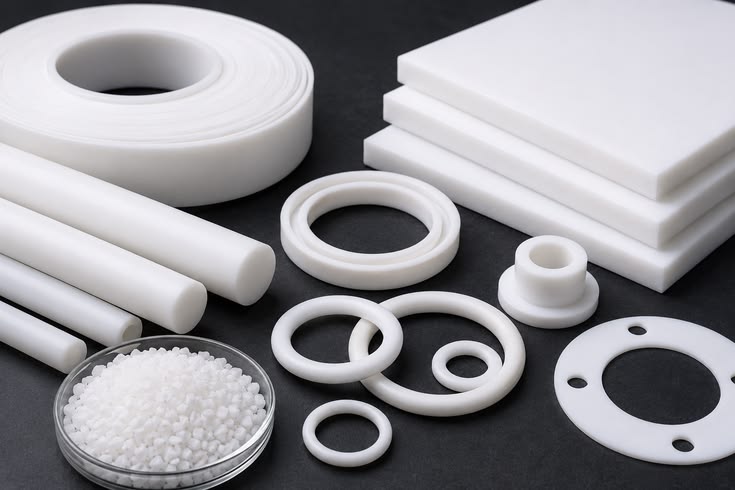
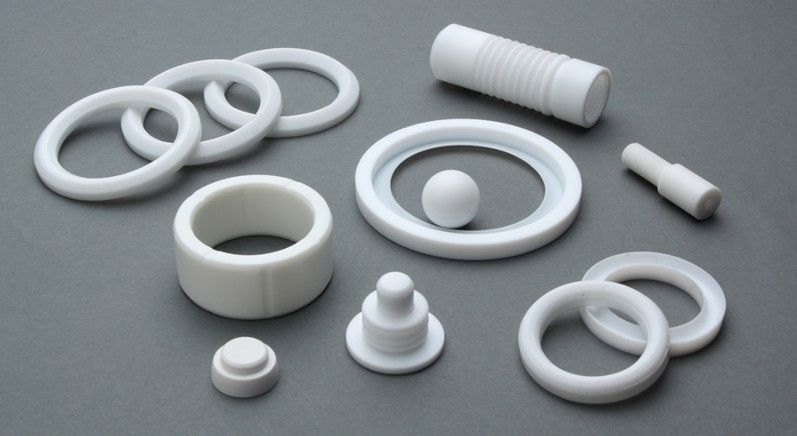
Polyurethane parts can support many kinds of industrial equipment. Tech Sharp Rubber lists products such as rollers, wheels, screens, sheets, industrial couplings, impellers, cones and adapters, with options for customised requirements. These types of components can be used in applications where a part needs to move, guide, cushion, transmit force or protect another surface. The right design depends on its specific function and the equipment it serves.
Rollers and wheels
Rollers and wheels are used to guide or move materials, support loads, and keep equipment operating smoothly. Their performance depends on factors such as the load, movement speed, contact surface and expected operating hours. If a roller wears unevenly or a wheel does not suit the floor or track, the result may be vibration, noise, material handling problems or more frequent replacement.
When replacing a roller or wheel, it helps to provide the original dimensions and explain how the part is used. If the existing part has failed early, photographs and notes about the wear pattern may help identify what needs to change.
Screens and sheets
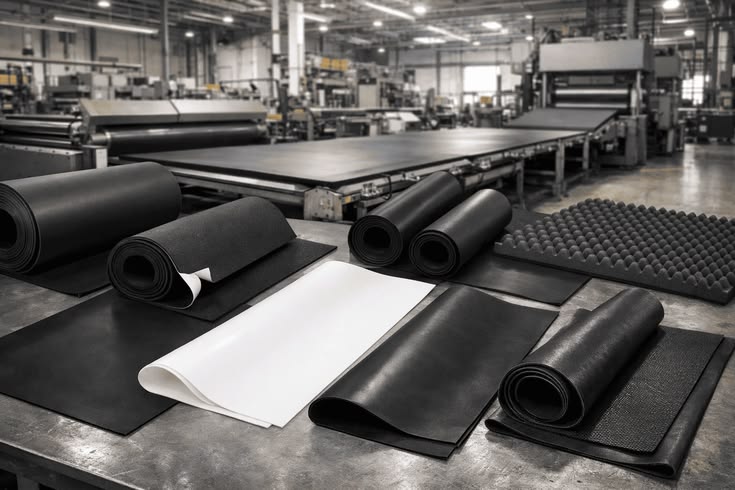
Screens and sheets may be used in applications where materials need to be separated, supported or protected. The right specification depends on the size and shape of the component, the material it contacts, and the way the equipment operates. For a screen, details such as opening size, thickness and support arrangement may be important. For sheet material, the required dimensions and working environment help guide selection.
Couplings and impellers
Industrial couplings connect equipment components and may need to accommodate movement or transmit force. Impellers operate within a system where their geometry and fit affect how the equipment functions. These parts should be specified with attention to the machine design and manufacturer’s requirements. Substituting a component based only on its general material type may not provide a suitable fit or performance.
Cones and adapters
Cones and adapters are often shaped to meet a particular connection or transfer requirement. Their dimensions, tolerances and fit with adjoining parts are especially important. A small mismatch can create installation difficulties or affect operation, so drawings or samples can be valuable when discussing a replacement or custom part.
Why the application matters more than the material name
It’s tempting to ask simply for a polyurethane part. A better question is: what does the part need to do, and under what conditions? The answer helps distinguish between a standard product and a component that may need a specific design or formulation. This is particularly useful when comparing Polyurethane Products Qatar, since suppliers may offer different forms and specifications.
Consider the following factors when specifying a part:
- Load and pressure: Describe the weight, force or repeated impact the part experiences.
- Movement: Explain whether it rolls, slides, rotates, flexes or remains stationary.
- Contact surfaces: Identify what the component touches and whether the contact is smooth, rough or abrasive.
- Operating environment: Note dust, moisture, outdoor exposure, heat, cleaning products or process chemicals.
- Dimensions and fit: Share measurements, drawings or a sample of the existing component.
- Maintenance history: Explain how long the previous part lasted and how it wore or failed.
- Operating expectations: Describe the duty cycle and any performance or replacement requirements.
These details help a supplier understand the job the part must perform. They can also help avoid choosing a product that appears suitable on paper but does not match the real conditions on site.
Signs that a component may need attention
A polyurethane component may need inspection or replacement if it shows cracking, deformation, uneven wear, surface damage or a change in fit. In moving equipment, new vibration or unusual noise can be a reason to investigate, although the cause may lie elsewhere in the system. Repeated failures should be treated as useful information: the component may be facing a load, speed, temperature or contact condition that was not considered in the original specification.
Before ordering a replacement, record what has happened. When was the part installed? Where is the damage concentrated? Has the machine’s workload changed? Are nearby components also showing wear? These observations give the supplier and maintenance team a clearer picture than a replacement request alone.
If a part has been modified or installed differently from its original design, mention that too. The installation method, alignment and surrounding equipment can all affect the way a component performs.
Standard products or customised components?
A standard component can be a practical choice when its dimensions and performance match the application. It may simplify sourcing and replacement. Customisation may be worth discussing when the required shape, size or fit is not available as a standard item, or when an existing component needs to be made to a drawing or sample.
For a custom enquiry, prepare whatever information you have:
- The component name and its function.
- Dimensions, drawings, or a physical sample where available.
- The equipment or system in which it is installed.
- The material it contacts and the conditions in the work area.
- The number of pieces required and any replacement schedule.
- Details of how the current part performs or fails.
You do not need to have every engineering detail ready before starting a conversation. Sharing the basics can help the supplier identify what additional information is needed and whether the request is within its product range.
Sourcing polyurethane products in Qatar
Local access to industrial components can make communication and coordination easier, especially when a requirement involves a replacement or a custom part. When comparing Polyurethane Products Qatar, ask how the supplier handles specifications, dimensions, samples and custom enquiries. It is also useful to confirm expected lead times, quantity requirements and what information is needed before preparing a quotation.
Tech Sharp Rubber’s website describes its polyurethane range as including rollers, wheels, screens, sheets, industrial couplings, impellers, cones, adapters and customised products. The company also supplies rubber and industrial products for sectors including manufacturing, construction, oil and gas, and material handling. Share your application details so the team can confirm whether it can support your particular requirement.
Clear communication at the enquiry stage can save time later. If you are replacing a part, include a photograph and the part’s measurements. If you have a drawing or sample, mention that when you get in touch. If the equipment is experiencing recurring wear, describe what you have observed rather than assuming the material is the only cause.
A practical approach to longer-lasting performance
No component lasts forever, and material selection cannot compensate for every operating issue. Still, taking time to understand the working conditions can support a better match between the part and its job. Regular inspection, correct installation and useful maintenance records also help teams notice changes before a minor issue becomes an unexpected stoppage.
If a component wears out sooner than expected, treat that as feedback. Review the application, installation and operating conditions before ordering the same replacement again. A conversation between the maintenance team and a knowledgeable supplier can help clarify whether a standard item remains appropriate or if a different specification should be considered.
For organisations evaluating Polyurethane Products Qatar, a clear description of the part’s role is one of the most useful things to bring to the discussion.
Conclusion
Polyurethane components serve many practical roles in industrial equipment, from rollers and wheels to screens, couplings, impellers and custom-shaped parts. Their suitability depends on the job, the design and the conditions in which they operate. Sharing accurate dimensions, application details and wear history helps make the selection process more useful.
When sourcing Polyurethane Products Qatar, start with the application and ask the supplier to confirm the product options that fit your requirements. Tech Sharp Rubber offers a range of polyurethane products and customised solutions. Contact the team to discuss your component, share a drawing or sample, and request a quotation.
Call +974 7063 6690 or email rubber@techsharpqatar.com.