

Rubber Sheet Supplier in Qatar: Choosing the Right Sheet for Your Business
A practical guide to materials, applications, and sourcing
When a rubber sheet is part of your equipment, flooring, or production process, choosing the right one can make a real difference. The right material can help protect surfaces, reduce noise and vibration, improve grip, and keep machinery working reliably. The wrong one may wear out quickly, fail to handle the environment, or cost more to replace over time. If you are looking for a rubber sheet supplier in Qatar, it helps to know what your application requires before you buy.
Rubber sheets are used across many industries in Qatar, from construction and transport to manufacturing, workshops, and commercial facilities. Sheets come in different materials, thicknesses, hardness levels, and surface finishes. Some are made for general-purpose protection, while others are designed to withstand oil, weather, heat, or repeated impact. Understanding these differences can help you make a more confident choice and get better value from your purchase.
1. Start With the Job the Rubber Sheet Needs to Do
Before comparing products, think about where and how the sheet will be used. A rubber sheet on a workshop floor has different demands from a gasket used in a machine or a lining exposed to oil. Will the sheet support people, equipment, or both? Will it come into contact with oils, chemicals, water, or outdoor weather? Does it need to cushion vibration, create a non-slip surface, or form a tight seal?
These details help narrow down the material and specifications you need. An industrial rubber sheet used for general protection may suit workbenches, floors, or surface covers. A sheet used near oils and grease may need greater resistance to those substances. If it will sit outdoors, consider sunlight, heat, and changing weather. A floor mat in a busy area may need a durable surface with enough grip to help people move safely.
Thickness matters, too. A thicker sheet may provide more cushioning or absorb impact, but it is not automatically best for every job. A thinner sheet may be easier to cut, fit, or use as a liner. The right balance depends on the load, the surface underneath, and the installation. If you are unsure, share the application details with your supplier and ask which specifications are suitable.
Consider dimensions before ordering. Measure the area carefully, including corners, edges, or openings that need covering. If the sheet will be cut to fit, ask about available widths and lengths and any cutting options. Planning these details can reduce waste and help avoid installation delays.
2. Compare Rubber Types, Properties, and Finish
Different rubber compounds perform differently. Natural rubber is often chosen for flexibility and resilience in general applications. Neoprene is commonly considered when resistance to weathering and certain oils matters. Nitrile rubber is often used where contact with oils or fuels is expected. EPDM rubber may be considered for outdoor use where weather and ozone exposure are concerns. These are general comparisons; check the manufacturer’s specifications for your application.
When comparing products, ask for details that matter to your job. These may include compound, thickness, hardness, surface finish, temperature range, and resistance properties. If the rubber will support a particular load or touch a specific chemical, make that clear. A supplier can guide you well when they understand the conditions the sheet will face.
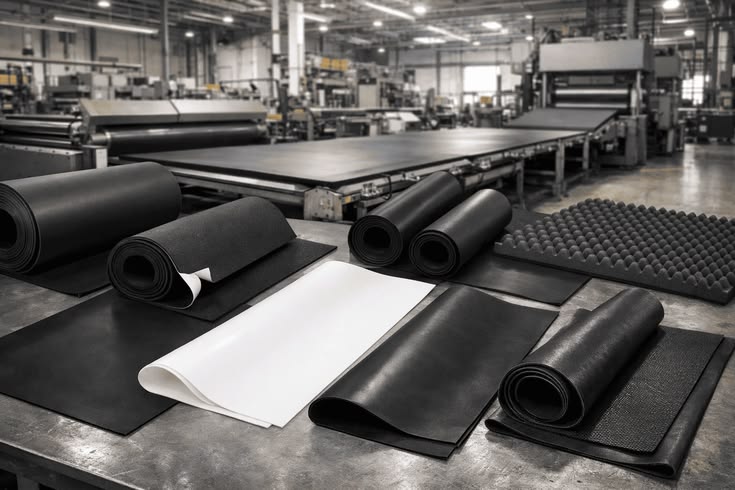
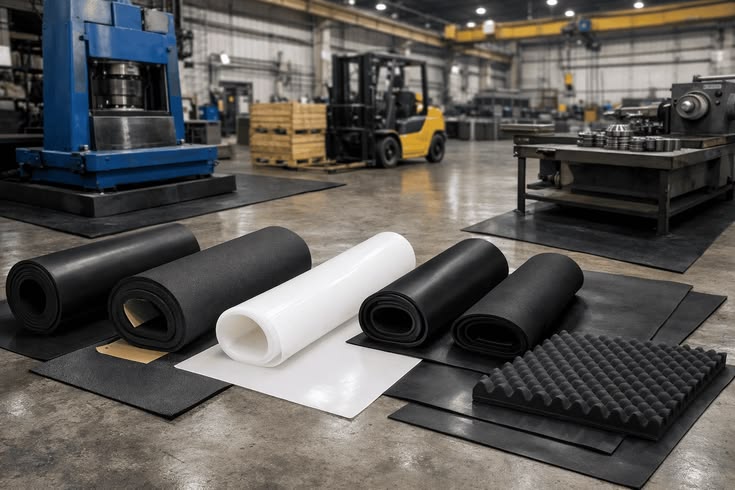
Surface finish is another practical choice. A smooth rubber sheet may suit work surfaces, protective liners, or applications where a flat finish is preferred. A textured or patterned finish may offer more grip for floors, platforms, or walkways. Consider cleaning requirements: dust, water, or debris can collect in textured surfaces, while smooth surfaces may be simpler to wipe down. Choose a finish that fits how the area is used and maintained.
For businesses sourcing industrial rubber sheets in Qatar, product consistency can be just as important as material. When several pieces need to fit together or replacements will be ordered later, consistent thickness and dimensions help installation and maintenance. Ask whether the supplier can provide product information and source the same specification again.
Price is naturally part of the decision, but the cheapest option may not be the best value if it needs frequent replacement. Compare suitability, expected service life, and installation or downtime costs—not just price per sheet. A sheet that lasts longer in its intended conditions may be more economical over time.
3. Choose a Supplier Who Understands Your Requirements
A reliable rubber sheet supplier in Qatar should help match the product to the application, not simply offer a size and price. When you contact a supplier, describe the environment, purpose, dimensions, and any substances or temperatures the sheet may encounter. If you have a sample, drawing, or product specification, share it. Clear information can make recommendations more relevant and reduce the chance of ordering the wrong material.
Confirm availability, delivery arrangements, and minimum order quantities before placing an order. For a project with a set schedule, ask about lead times and whether your required quantity can be supplied together. If sheets need cutting or fabrication, check whether that service is available and how finished dimensions will be confirmed.
Good communication matters after the order, too. If you are purchasing rubber for ongoing maintenance, ask how to identify the exact product specification for future orders. Keeping a record of material type, thickness, finish, and size can make reordering simpler. For larger or specialized requirements, it may help to discuss a sample or confirm specifications in writing before the full quantity is supplied.
Tech Sharp Rubber serves customers looking for rubber products and solutions. If you are exploring options for a rubber sheet in Qatar, visit Tech Sharp Rubber to learn more about the company’s products and services. Contact the team with your application, required dimensions, and operating conditions so they can help identify a suitable option. Asking a few questions before ordering can save time and help you find a product that fits the job.
Explore products or discuss your requirements: https://techsharprubber.com/
Conclusion: Make the Right Choice for Long-Term Use
The best rubber sheet is the one that suits the work it needs to do. Consider the environment, load, exposure to oils or weather, required thickness, and surface finish before making a choice. Then confirm product specifications, dimensions, availability, and delivery details with your supplier.
Whether you need rubber for a workshop, factory, construction project, or commercial facility, a little preparation can help you avoid unsuitable purchases and make maintenance easier. If you are searching for a rubber sheet supplier in Qatar, contact Tech Sharp Rubber with your requirements and ask about the available options. A clear conversation about the job is a practical first step toward finding the right sheet for it.